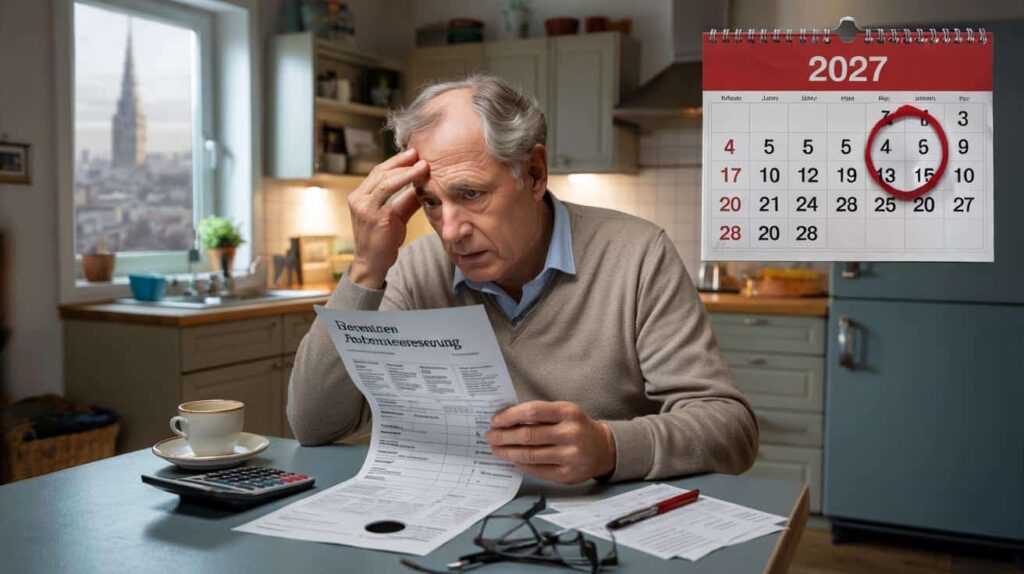
A new pension reform is currently attracting considerable attention, even though its effects may initially seem subtle. From January 1, 2027, the rules for people who wish to continue working while receiving their pension will change significantly. Those particularly affected are individuals who want to earn additional income before the age of 67. According to authorities, the aim of the change is to make the system clearer, prevent abuse, and simultaneously reduce government spending. In practice, however, this means that working in retirement – especially before age 67 – will be less financially rewarding. Many people who planned to supplement their pensions with part-time jobs will have to rethink their plans and prepare for stricter regulations.
What will change regarding pensions and work from 2027 onwards
The combination of retirement and work will be more strictly regulated in the future. Age is the decisive factor. The younger one is when drawing their pension, the more restricted additional earnings will be. The reform divides those affected into three age groups and establishes different rules.
- Under 64 years of age: Income is almost entirely offset against the pension.
- Ages 64 to 67: Partial crediting with tax-free allowance
- From age 67: No more limits on additional income
| Old | control |
|---|---|
| Under 64 | Almost complete crediting of income |
| 64–67 | Tax-free allowance, above which there is a 50% reduction |
| From age 67 | Unlimited additional income possible |
Under 64: Work brings little financial benefit
It’s particularly difficult for people under 64. Every extra euro earned can be directly deducted from their pension. As a result, there’s often no financial benefit left in the end. At this stage, work is worthwhile primarily for personal reasons, not financial ones.

This kitchen powder, costing only €0.75, effectively removes lawn moss without any vinegar and delivers surprising results for gardeners.

- Pensions will be directly reduced.
- No real additional income
- Work is only meaningful for structure or social contacts.
- Financial motivation drops significantly
| Example | Amount |
|---|---|
| Monthly pension | €2,000 |
| Part-time job | 500 € |
| reduction | -€500 |
| final amount | €2,000 |
64 to 67: Partial additional income with limits
Between the ages of 64 and 67, additional earnings are still possible, but only up to a certain tax-free allowance. If this allowance is exceeded, a portion of the income is taken into account. This means that while you can keep a little more money, you cannot keep the entire additional income.
- Tax-free allowance of approximately €7,000 per year
- Furthermore, a 50% reduction
- Partial financial advantage remains
- Planning becomes more important
| The invoice | Amount |
|---|---|
| Additional income | €9,000 |
| tax-free allowance | €7,000 |
| excess | €2,000 |
| reduction | €1,000 |
From age 67: Free work without restrictions
From the age of 67, the situation becomes significantly more relaxed. From then on, pensioners can earn unlimited additional income without their pension being reduced. This regulation is also intended to help ease pressure on the labor market and keep experienced workers in their jobs longer.

- No income limit
- No pension cuts
- More flexibility in retirement
- Attractive for part-time or mini-jobs
Why the state is introducing this change
The government aims to make the system more efficient and save costs with the reform. At the same time, it seeks to prevent people from retiring early while continuing to work full-time. Critics, however, see this as a disadvantage for older workers who want to remain active.
- Reduction of government spending
- More control within the system
- Focus on those in need
- Criticism due to restrictions on freedom
Possible consequences and risks
Experts warn that stricter rules could also have negative consequences. In particular, the risk of undeclared work could increase if official employment is no longer profitable.
- More unregistered jobs
- Loss of tax revenue
- Less social security
- Unsafe working conditions
What future retirees should consider
Anyone retiring in the next few years should plan ahead. The new regulations can have a significant impact on their financial situation. Good preparation will help avoid any disadvantages.

- Check your pension entitlement early
- Plan your additional income carefully
- Build up reserves
- Use flexible transition models
| strategy | Advantage |
|---|---|
| Retiring later | Higher payment |
| Taking advantage of partial pension | More flexibility |
| Build up reserves | Financial security |
| Working after age 67 | No deduction |
Conclusion
The reform clearly shows that the rules for pensioners will change in the future. Especially before the age of 67, a part-time job is hardly financially worthwhile anymore. Anyone who wants to continue working should adjust their strategy and plan for the long term. Ultimately, good preparation will determine whether the changes result in only a minor adjustment or a real financial blow.